 Access Your Free Counseling Session
Click Here
Access Your Free Counseling Session
Click Here

Every student dream of studying MBBS India or abroad will now come true. With our expert counsel
B.Tech in Electrical & Electronics Engineering (EEE)
B.Tech in Electrical & Electronics Engineering, commonly known as B.Tech EEE, is a four-year undergraduate engineering program that combines the study of electrical systems with electronics and related technologies. …
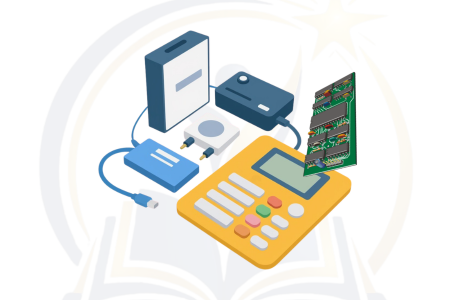
B.Tech in Electrical & Electronics Engineering (EEE)
B.Tech in Electrical & Electronics Engineering, commonly known as B.Tech EEE, is a four-year undergraduate engineering program that combines the study of electrical systems with electronics and related technologies. The course focuses on electricity, electrical machines, power systems, electronic circuits, control systems, instrumentation, power electronics, renewable energy, and other technologies used in modern electrical and electronic applications.
Electrical & Electronics Engineering plays an important role in power generation and distribution, industrial automation, manufacturing, transportation, renewable energy, electronics, electric vehicles, communication infrastructure, and many other technology-driven sectors.
The program provides students with theoretical knowledge as well as practical exposure through laboratories, engineering projects, workshops, industrial training, and internships.
B.Tech Electrical & Electronics Engineering Course Duration
B.Tech in Electrical & Electronics Engineering is generally a 4-year undergraduate degree program divided into 8 semesters.
During the initial semesters, students generally study fundamental engineering subjects such as Engineering Mathematics, Physics, Chemistry, Engineering Mechanics, Engineering Graphics, basic programming, and fundamental electrical and electronic engineering concepts.
As the program progresses, students study specialized subjects related to electrical machines, electrical circuits, power systems, electronics, control systems, measurements, power electronics, renewable energy, and industrial applications.
What is Electrical & Electronics Engineering?
Electrical & Electronics Engineering is an engineering discipline concerned with the study, design, development, operation, and application of electrical and electronic systems.
The electrical engineering component focuses primarily on areas such as electrical power, machines, generation, transmission, distribution, control, and industrial electrical systems.
The electronics component introduces students to electronic circuits, semiconductor devices, digital systems, microprocessors, instrumentation, control technologies, and other electronic applications.
The combination of these areas helps students understand both large-scale electrical systems and smaller electronic and control systems used in modern technology.
Major Subjects in B.Tech Electrical & Electronics Engineering
The exact syllabus may differ between universities and institutions. Common subjects studied in B.Tech EEE may include:
• Engineering Mathematics
• Engineering Physics
• Basic Electrical Engineering
• Electrical Circuit Analysis
• Electrical Machines
• Analog Electronics
• Digital Electronics
• Electronic Devices and Circuits
• Electromagnetic Fields
• Signals and Systems
• Electrical Measurements and Instrumentation
• Control Systems
• Power Systems
• Power Electronics
• Microprocessors and Microcontrollers
• Electrical Machine Design
• Power System Analysis
• High Voltage Engineering
• Electrical Drives
• Renewable Energy Systems
• Digital Signal Processing
• Industrial Automation
• Energy Management
Major Areas of Electrical & Electronics Engineering
Power Systems
Power Systems deals with the generation, transmission, distribution, protection, and utilization of electrical power. Students learn about the systems and technologies involved in supplying electricity from generating stations to consumers.
Electrical Machines
Electrical Machines focuses on equipment such as motors, generators, and transformers. Students study their operating principles, characteristics, performance, control, and applications.
Power Electronics
Power Electronics deals with the conversion and control of electrical power using electronic devices and circuits. It has applications in industrial equipment, renewable energy systems, electric vehicles, power supplies, and motor drives.
Control Systems
Control Systems focuses on technologies used to monitor and control machines, processes, and engineering systems. Control engineering is widely applied in industrial automation, robotics, manufacturing, transportation, and other automated systems.
Electronics
Electronics covers semiconductor devices, analog and digital circuits, electronic systems, and related technologies used in consumer, industrial, communication, and computing applications.
Electrical Measurements and Instrumentation
This area focuses on measuring electrical quantities and using instruments, sensors, and measurement systems for monitoring and controlling engineering processes.
Renewable Energy
Renewable Energy covers electrical technologies associated with energy sources such as solar and wind power and their integration with electrical systems.
Industrial Automation
Industrial Automation involves the use of electrical, electronic, control, and computing technologies to automate industrial machines and processes.
Skills Developed During B.Tech EEE
B.Tech Electrical & Electronics Engineering can help students develop technical, analytical, and professional skills such as:
• Electrical circuit analysis
• Understanding of electrical machines
• Power system fundamentals
• Electronic circuit analysis
• Control system fundamentals
• Electrical measurements
• Power electronics
• Troubleshooting electrical systems
• Engineering design
• Analytical and mathematical problem-solving
• Laboratory and practical skills
• Technical documentation
• Project planning
• Teamwork and communication
Career Opportunities After B.Tech Electrical & Electronics Engineering
B.Tech EEE graduates can explore opportunities across electrical power, energy, manufacturing, electronics, industrial automation, infrastructure, transportation, renewable energy, engineering consultancy, and technology-related sectors.
Depending on their skills, specialization, qualifications, and experience, graduates may work in roles such as:
• Electrical Engineer
• Electronics Engineer
• Power Systems Engineer
• Electrical Design Engineer
• Maintenance Engineer
• Control Engineer
• Power Electronics Engineer
• Instrumentation Engineer
• Automation Engineer
• Testing Engineer
• Project Engineer
• Energy Engineer
• Renewable Energy Engineer
• Electrical Site Engineer
• Production Engineer
• Quality Engineer
Career opportunities may be available in power generation companies, electricity transmission and distribution organizations, manufacturing companies, engineering consultancies, renewable energy companies, infrastructure projects, automation companies, electronics industries, and other organizations requiring electrical and electronic engineering expertise.
Electrical & Electronics Engineering in Emerging Technologies
The role of Electrical & Electronics Engineering continues to evolve as industries adopt new technologies.
EEE graduates may find opportunities to develop expertise in areas such as:
• Electric Vehicles
• EV Charging Infrastructure
• Renewable Energy
• Solar Energy Systems
• Smart Grids
• Energy Storage
• Industrial Automation
• Robotics and Control Systems
• Power Electronics
• Embedded Systems
• Smart Manufacturing
Students interested in these areas may need additional specialized skills, certifications, projects, or postgraduate education depending on their career objectives.
Higher Education After B.Tech EEE
After completing B.Tech Electrical & Electronics Engineering, graduates can pursue higher education such as M.Tech or M.E. in specialized engineering areas.
Possible postgraduate specializations include:
• Power Systems
• Power Electronics
• Electrical Machines
• Control Systems
• Renewable Energy
• Energy Systems
• Industrial Automation
• Instrumentation
• Embedded Systems
Students interested in business and management careers may also pursue an MBA or other management programs.
Who Should Choose B.Tech Electrical & Electronics Engineering?
B.Tech EEE can be suitable for students interested in electricity, electronics, circuits, machines, power generation, automation, renewable energy, and modern electrical technologies.
Students who enjoy Mathematics, Physics, analytical problem-solving, practical engineering, circuits, and understanding how electrical and electronic systems operate may find EEE an appropriate engineering discipline.
Before selecting a college, students should compare factors such as accreditation, curriculum, laboratories, faculty, practical training, industry exposure, internships, fees, placement opportunities, location, and admission requirements.
B.Tech Electrical & Electronics Engineering (EEE) Eligibility Criteria
Candidates seeking admission to B.Tech in Electrical & Electronics Engineering are generally required to have completed 10+2 (Class 12) or an equivalent qualifying examination from a recognized board.
The exact eligibility requirements may vary depending on the college, university, entrance examination, state, counselling authority, and applicable admission regulations.
Educational Qualification
Candidates should have passed Class 12 or an equivalent examination from a recognized board.
Students seeking admission to a regular B.Tech Electrical & Electronics Engineering program generally need to meet the science and subject requirements prescribed by the respective college, university, entrance examination, or admission authority.
Required Subjects
Candidates are generally required to have studied Physics and Mathematics along with another subject or subjects accepted under the applicable engineering admission rules.
The exact Class 12 subject combination may differ depending on the university, college, entrance examination, and current admission regulations.
Candidates should verify the required subjects for their preferred institution before submitting an application.
Minimum Marks
The minimum percentage required in Class 12 varies according to the institution, university, entrance examination, counselling authority, and admission category.
Some institutions may prescribe minimum aggregate marks as well as minimum marks in specified subjects.
Candidates belonging to eligible reserved categories may receive relaxation in qualifying marks according to applicable government, university, counselling, or institutional regulations.
Entrance Examination
Admission to B.Tech Electrical & Electronics Engineering may be offered through an engineering entrance examination, Class 12 merit, centralized counselling, or another selection process followed by the respective institution.
JEE Main is one of the major entrance examinations used for undergraduate engineering admissions in India.
Different states, universities, and private institutions may conduct or accept other engineering entrance examinations.
Candidates should check which examination, score, or counselling process is required by their preferred college before applying.
Admission Process
The B.Tech EEE admission process may involve:
• Meeting the required educational qualifications
• Appearing for an applicable engineering entrance examination
• Obtaining a valid score or rank
• Registering for the relevant counselling process
• Selecting preferred colleges and courses
• Seat allotment according to rank, category, availability, and admission rules
• Document verification
• Payment of fees and completion of admission formalities
The actual process may differ between colleges, universities, states, and counselling authorities.
Lateral Entry Eligibility
Some colleges and universities may offer lateral entry admission to eligible candidates.
Under lateral entry, candidates with an appropriate diploma or another recognized qualification may be eligible for direct admission into a later stage of the B.Tech program, subject to applicable admission regulations.
Eligibility requirements, minimum marks, entrance examinations, seat availability, and admission procedures for lateral entry vary between states and institutions.
Age Requirements
Age requirements, if applicable, depend on the rules of the concerned entrance examination, university, college, or counselling authority.
Candidates should check the current admission notification for the academic session in which they intend to apply.
Important Note
B.Tech Electrical & Electronics Engineering eligibility criteria may differ across colleges and universities.
Required Class 12 subjects, minimum marks, entrance examination requirements, reservation policies, domicile conditions, lateral entry requirements, counselling procedures, and admission rules are determined by the relevant institution and admission authority.
Candidates should verify the latest eligibility criteria and admission requirements from the official website of the respective college, university, entrance examination, or counselling authority before applying.
Confirm academic eligibility and entrance examination requirements.
Appear for the applicable entrance examination wherever required.
Compare colleges based on fees, location, seats and admission criteria.
Complete counselling, documentation and final admission formalities.
Fee information will be updated soon.
We are currently updating colleges offering Electrical & Electronics Engineering.
Explore professional opportunities available after completing this course.
Pursue advanced specialisations and postgraduate programs.
Build specialised skills and explore long-term career growth opportunities.
The duration of Electrical & Electronics Engineering is 4 Years.
B.Tech Electrical & Electronics Engineering (EEE) Eligibility Criteria
Candidates seeking admission to B.Tech in Electrical & Electronics Engineering are generally required to have completed 10+2 (Class 12) or an equivalent qualifying examination from a recognized board.
The exact eligibility requirements may vary depending on the college, university, entrance examination, state, counselling authority, and applicable admission regulations.
Educational Qualification
Candidates should have passed Class 12 or an equivalent examination from a recognized board.
Students seeking admission to a regular B.Tech Electrical & Electronics Engineering program generally need to meet the science and subject requirements prescribed by the respective college, university, entrance examination, or admission authority.
Required Subjects
Candidates are generally required to have studied Physics and Mathematics along with another subject or subjects accepted under the applicable engineering admission rules.
The exact Class 12 subject combination may differ depending on the university, college, entrance examination, and current admission regulations.
Candidates should verify the required subjects for their preferred institution before submitting an application.
Minimum Marks
The minimum percentage required in Class 12 varies according to the institution, university, entrance examination, counselling authority, and admission category.
Some institutions may prescribe minimum aggregate marks as well as minimum marks in specified subjects.
Candidates belonging to eligible reserved categories may receive relaxation in qualifying marks according to applicable government, university, counselling, or institutional regulations.
Entrance Examination
Admission to B.Tech Electrical & Electronics Engineering may be offered through an engineering entrance examination, Class 12 merit, centralized counselling, or another selection process followed by the respective institution.
JEE Main is one of the major entrance examinations used for undergraduate engineering admissions in India.
Different states, universities, and private institutions may conduct or accept other engineering entrance examinations.
Candidates should check which examination, score, or counselling process is required by their preferred college before applying.
Admission Process
The B.Tech EEE admission process may involve:
• Meeting the required educational qualifications
• Appearing for an applicable engineering entrance examination
• Obtaining a valid score or rank
• Registering for the relevant counselling process
• Selecting preferred colleges and courses
• Seat allotment according to rank, category, availability, and admission rules
• Document verification
• Payment of fees and completion of admission formalities
The actual process may differ between colleges, universities, states, and counselling authorities.
Lateral Entry Eligibility
Some colleges and universities may offer lateral entry admission to eligible candidates.
Under lateral entry, candidates with an appropriate diploma or another recognized qualification may be eligible for direct admission into a later stage of the B.Tech program, subject to applicable admission regulations.
Eligibility requirements, minimum marks, entrance examinations, seat availability, and admission procedures for lateral entry vary between states and institutions.
Age Requirements
Age requirements, if applicable, depend on the rules of the concerned entrance examination, university, college, or counselling authority.
Candidates should check the current admission notification for the academic session in which they intend to apply.
Important Note
B.Tech Electrical & Electronics Engineering eligibility criteria may differ across colleges and universities.
Required Class 12 subjects, minimum marks, entrance examination requirements, reservation policies, domicile conditions, lateral entry requirements, counselling procedures, and admission rules are determined by the relevant institution and admission authority.
Candidates should verify the latest eligibility criteria and admission requirements from the official website of the respective college, university, entrance examination, or counselling authority before applying.
You can find colleges currently offering Electrical & Electronics Engineering in the college section on this page.
Submit the free counselling form and the Vidhya Setu Foundation team can guide you through college selection and admission.
© 2026-27 Vidhya Setu Foundation. All Rights Reserved | Design by Ajay Tripathi